

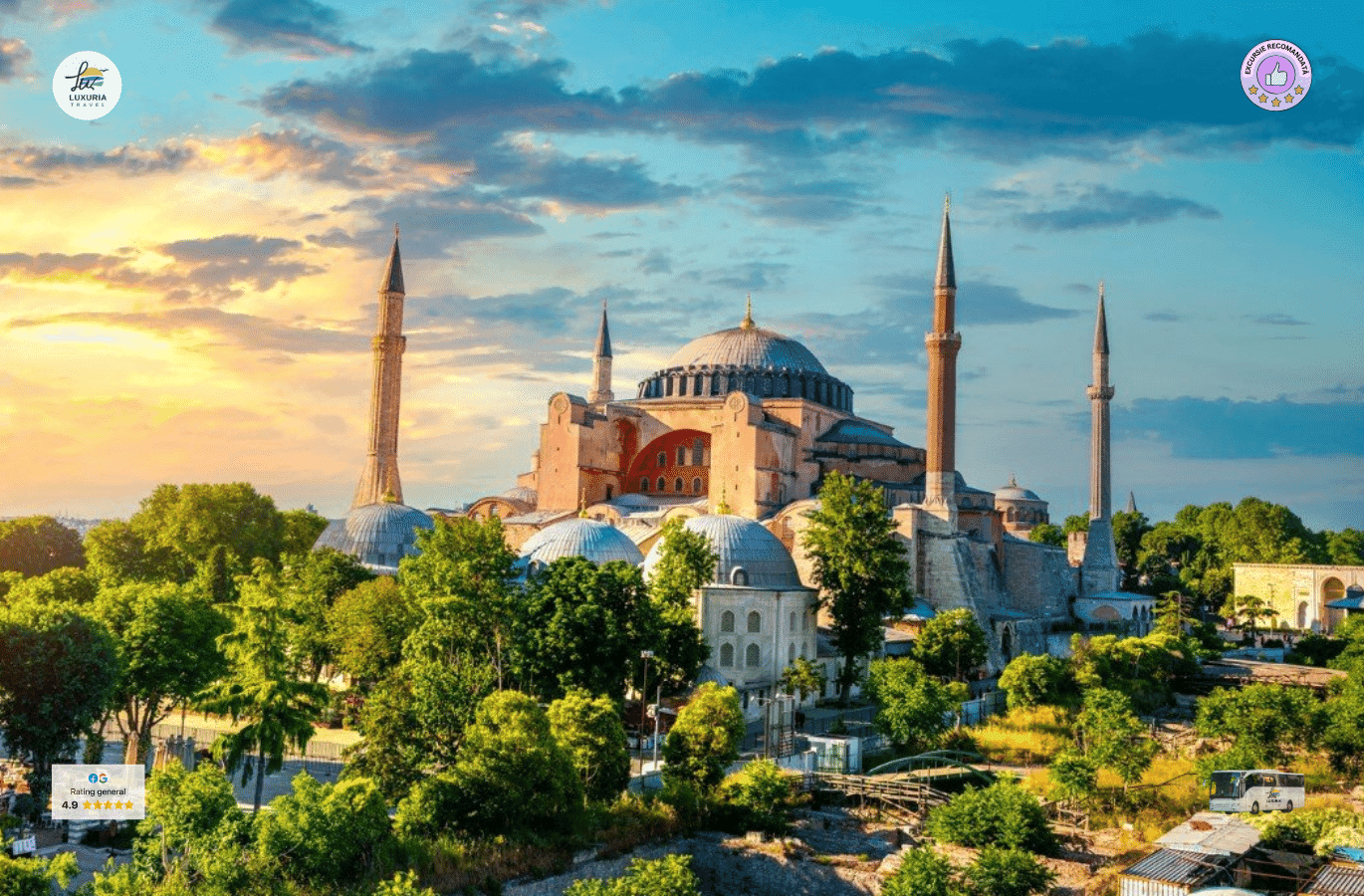
Etiquette and Customs in Turkey – Luxuria Travel Guide
Discover the rules of etiquette and local customs in Turkey: from visiting mosques to communication gestures and tea invitations. Practical tips for a gaffe-free journey.
Etiquette and Customs in Turkey – Luxuria Travel Guide
Turkey is a fascinating destination where East meets West, and knowing the local rules of etiquette will transform your travel experience into a memorable and respectful one. In our 13 years of experience in tourism, we have observed that tourists who understand and respect local customs enjoy a much warmer welcome from the locals. This guide prepares you for the most important aspects of Turkish etiquette – from visiting mosques to communication gestures and tea invitations – so that you feel comfortable and avoid awkward situations. Whether you're planning a city break in Istanbul or a more extensive exploration of the country, this information will be extremely useful.
Essential Rules When Visiting Mosques
Mosques in Turkey are active places of worship and require respectful behaviour from visitors. When entering any mosque, visitors must remove their shoes before stepping on the carpet, dress modestly with body and legs covered, and women must cover their hair. These rules are not mere recommendations, but strict requirements that reflect respect for the Muslim faith. For example, the Blue Mosque in Istanbul, decorated with over 20,000 hand-made Iznik ceramic tiles, receives thousands of visitors daily who respect these norms. We recommend wearing comfortable but modest clothing – long trousers or skirts below the knee – and having a scarf with you for women. Many mosques offer free shawls at the entrance, but it's more practical to come prepared.
Gestures and Non-Verbal Communication
Body language in Turkey can have completely different meanings from what you're used to, and a misunderstanding can create confusion. In Turkey, the gesture of raising your head and eyebrows at the same time means 'no' or that you don't want something, unlike Western culture where we shake our head sideways to say no. This gesture may seem subtle to a foreigner, but locals use it constantly in conversations. Also, direct eye contact is appreciated in conversations, being a sign of sincerity and respect. Avoid pointing at people with your finger or using broad gestures that could be interpreted as aggressive. In markets such as the Egyptian Bazaar in Istanbul, which dates from the 17th century and specialises in selling spices, sweets and traditional Turkish products, you'll notice that bargaining is done with smiles and friendly gestures.
Tea Invitations and Turkish Hospitality
Hospitality is one of the fundamental values of Turkish culture, and tea plays a central role in social relations. In Turkish culture, the direct refusal of an invitation to tea or coffee, without a polite explanation, is perceived as an impolite gesture. If a shopkeeper or a local invites you to tea, this gesture doesn't necessarily mean you have to buy something – it's simply an expression of goodwill. If you truly cannot accept, explain politely the reason: 'Thank you very much, but I'm in a hurry' or 'Perhaps another time, with pleasure'. Accepting the invitation, even for a few minutes, will open doors to authentic conversations and memorable local experiences. Turkish tea is served in small glasses, hot and strong, often accompanied by cube sugar.
Culinary Customs and Behaviour at the Table
Turkish cuisine is renowned throughout the world, and respecting some simple rules at the table will help you integrate better. Menemen, a traditional Turkish breakfast – a type of omelette with onions, tomatoes and bell peppers – is often served in families or at local restaurants in the morning. Also, authentic Turkish kebab is served in the form of skewers with meat and vegetables, not in flatbread, as many tourists expect. At the table, wait for the host to invite you to start eating and avoid refusing offered food – taste at least a little of each dish. Tipping in restaurants is appreciated, usually between 5-10% of the bill, but check if it's not already included on the receipt.
Frequently Asked Questions
Is it mandatory to speak Turkish to visit Turkey?
It's not mandatory, but knowing a few basic words such as 'merhaba' (hello), 'teşekkür ederim' (thank you) and 'lütfen' (please) is very much appreciated by locals. In tourist areas, many speak English.
Can I photograph people on the street in Turkey?
It's recommended to always ask permission before photographing people, especially women or in religious areas. Respect for privacy is very important in Turkish culture.
What means of transport are recommended in Istanbul?
The T1 tram in Istanbul passes through Sultanahmet and operates between 6:00 and 24:00, departing every 5 minutes, being an excellent option for tourists. The Istanbulkart card allows you access to all public transport.
How do I negotiate prices in bazaars without being impolite?
Bargaining is part of the shopping experience in bazaars and is expected. Be friendly, smile and propose a price 20-30% lower than the initial one. If you don't reach an agreement, thank them politely and leave – often the seller will call you back with a better offer.
Is it acceptable to leave a tip in Turkey?
Yes, tipping is appreciated but not mandatory. In restaurants leave 5-10% of the bill, for tour guides 10-20 TRY per day, and for taxi drivers round the amount up. Always check if service is not already included in the bill.
Discover Our Tours as Well
If you wish to explore Turkey with an experienced guide who will introduce you to the subtleties of local culture, we invite you to discover our Istanbul city break tour. The Luxuria Travel team offers you authentic experiences and prepares you for every aspect of the journey, so that you fully enjoy Turkish hospitality. Check all our tours to find the perfect option for you
Our Departures in the Coming Period
All are organised by Luxuria Travel, with our coaches and guides. Limited places.
New Year 2027
- Albania for New Year 2027 — Hotel Green Park, 6 days · departure 29 December
- Istanbul for New Year 2027 — 5 days · departure 30 December
- New Year in Maramureș 2027 — 5 days · departure 30 December
Latecomers' New Year
- Latecomers' New Year in Bucovina — 4 days · departure 21 January 2027
- Maramureș — Latecomers' New Year, with folk musicians, 4 days · departure 21 January 2027
February 2027
- Venice Carnival, by plane — Milan and Verona, 5 days · departure 4 February 2027
- Dubai for Valentine's Day, with visit to Abu Dhabi — 8 days · departure 9 February 2027
Christmas 2026
- Christmas Markets: Budapest, Vienna, Bratislava — 5 days · departure 2 December
- Christmas Markets: Alba Iulia, Cluj-Napoca, Sibiu — 2 days · departure 12 December
- Maramureș — Traditional Christmas, 5 days · departure 23 December
See all departures → · Departure calendar → · Bookings: 031 419 00 21
See tours to Turkey
Discover →Recommended trips

Dubai Valentine's Day Tour with Abu Dhabi Visit - 8 Days
8 days · United Arab Emirates
from 1049 EUR
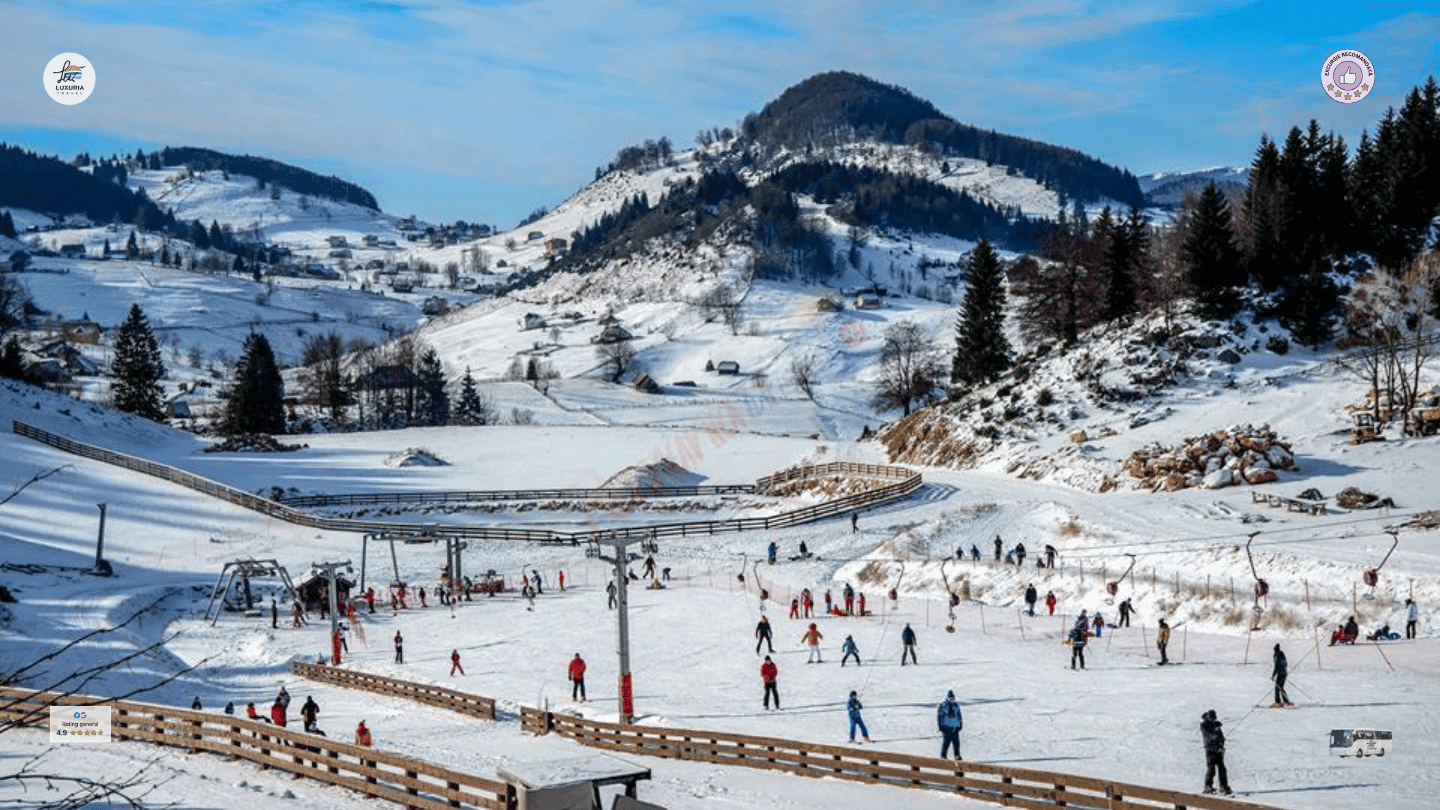
3-day tour to Sanius - Cheile Gradistei
3 days · Romania
from 749 RON
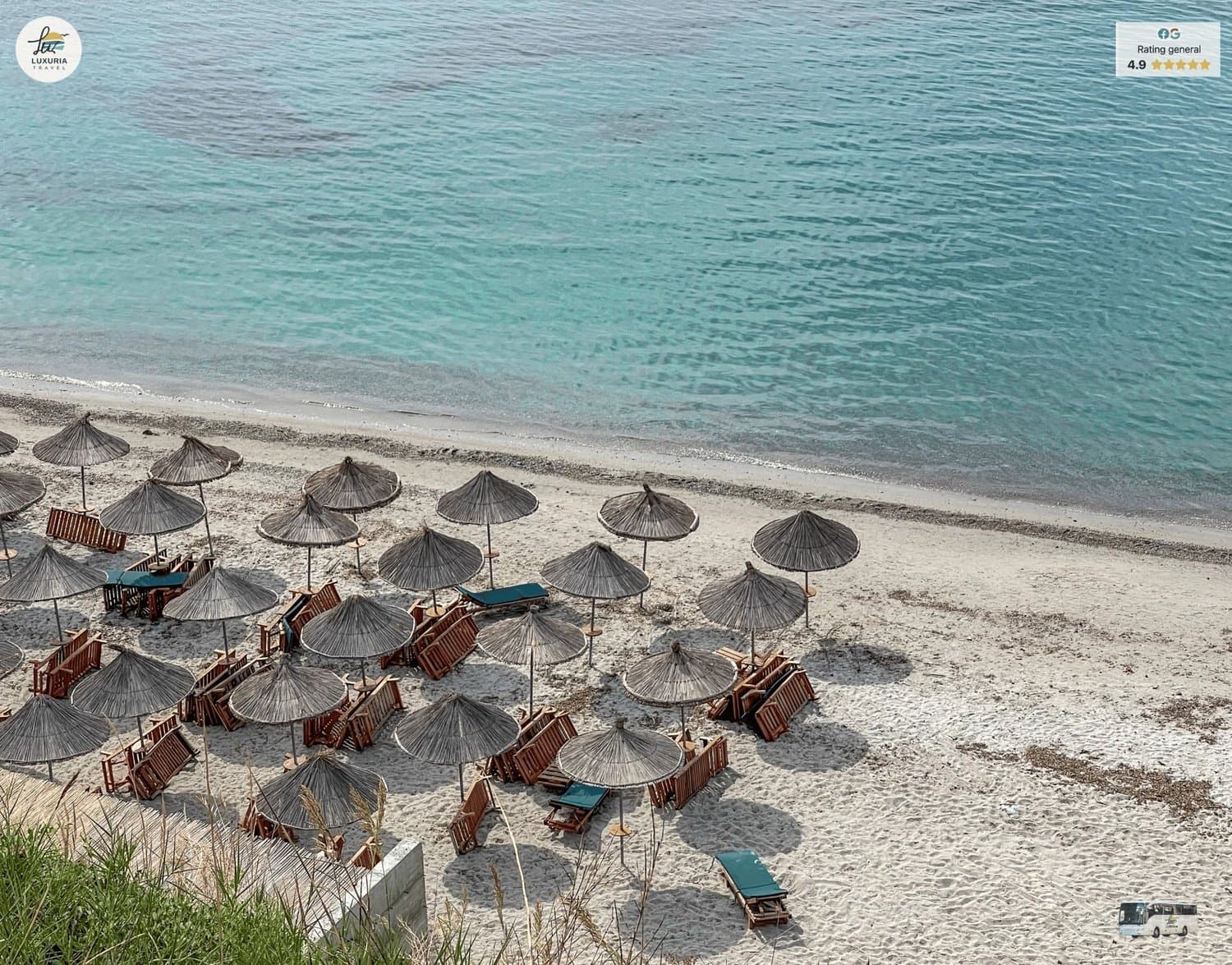
Albania Tour at Whitsun with Adriatic Sea Holiday - 7 Days
7 days · Albania
from 379 EUR
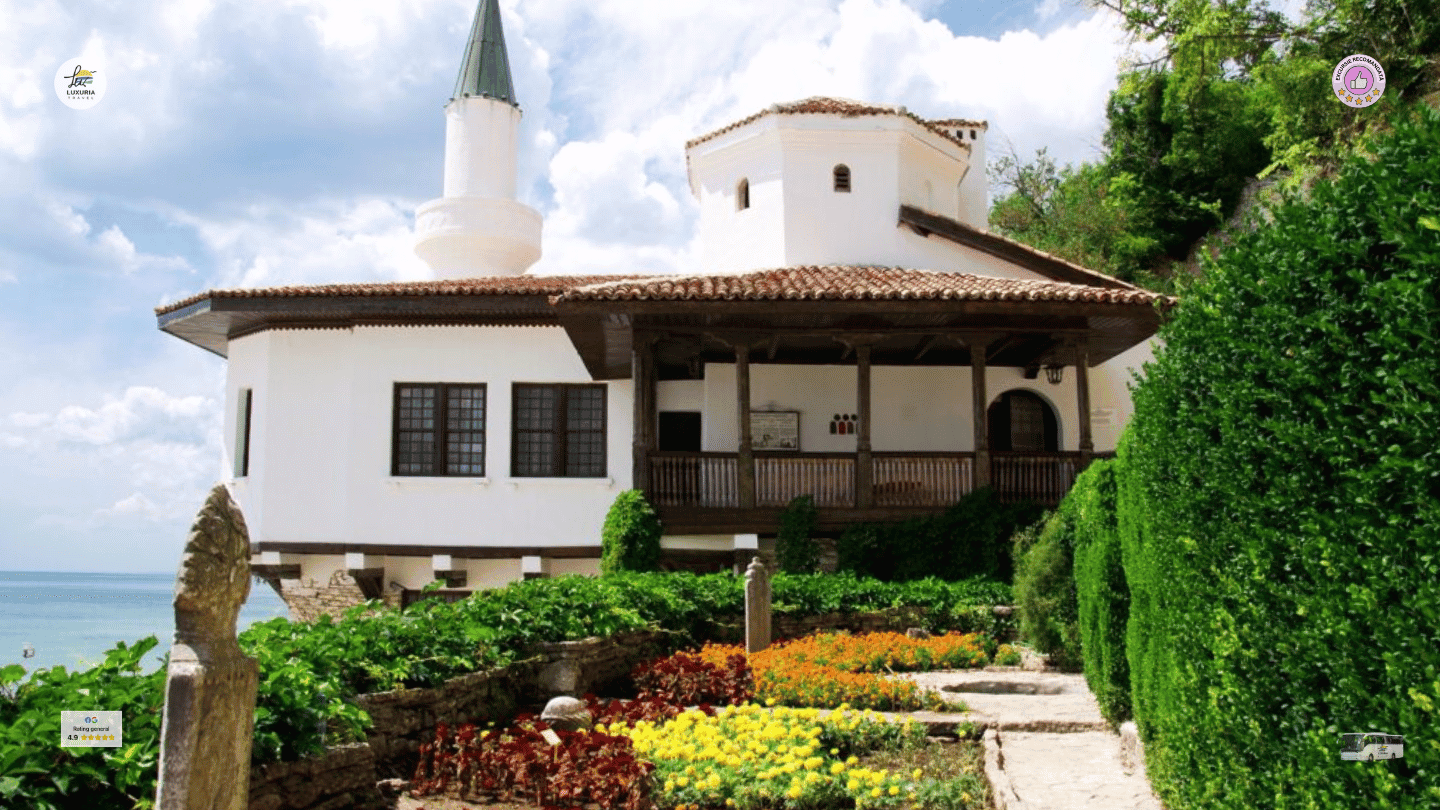
Day Trip – Balchik & Cape Kaliakra, Bulgaria
1 days · Bulgaria
from 45 EUR